Best Place to Source Lavender
By Coco Pile
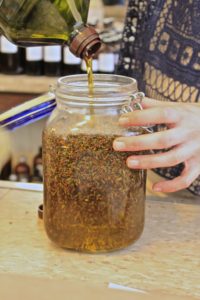 Although lavender typically prefers mediterranean climates for its regularity in available water and moderate temperature changes, it can still be found in extreme climates like Colorado. Unfortunately, no two climates are created equally. Influencing factors such as access to water, nutrients, foot traffic, pollution, altitude, climate, predators, etc. all affect the way the plants look and what constituents they create. This is why there is so many species of the “same” plant and why sourcing your herbs appropriately can make or break an herbal recipe.
The most renowned region in the world to source your lavender from is France. This is due to the fact that the harvest fields in France have a climate that doesn’t get too cold to disturb the ester compound formulation. They also have the advantage of altitude, which allows them to distill lavender at lower temperatures. Because of these factors, the Lavandula Angustifolia essential oil from France has the highest constituent content of esters compared to majority of other Lavender farmers/plants around the world. For those of you who are not familiar with functional groups, esters are compounds that have an anti-spasmodic, anti-inflammatory, and antifungal effect on the body. The esters also contribute to the potency of the plant’s aroma. Making French Lavender one of the greatest sources for perfumes and medicines.
Lavender is extensively cultivated around the world for varies reasons depending on the climate and the farmer’s intentions. It is not uncommon for lavender farms and distilleries to add synthetic constituents to their crops and essential oils to boost their medicinal value. Be cautious when purchasing your lavender to make sure it is pure, organic, and unaltered. These adaptations may cause undocumented side effects and/or change the way your lavender acts in the recipe or on your body.
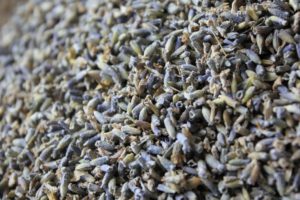
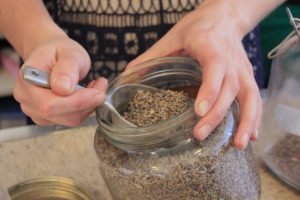 Some of the current research into the benefits of lavender includes its effects on sleep and anxiety in coronary ICU patients, and looking into lavender as a treatment for migraine headaches. In 2015 the British Association of Critical Care Nurses did a study with 60 coronary ICU patients to see how lavender would affect their sleep quality and levels of anxiety. They found a statistically significant difference in the group that received the lavender and they concluded that it helped the patients with sleep quality and reduced their anxiety. In another study, published in the journal of European Neurology in 2012, 47 patients who were diagnosed with migraine headaches were studied. The group using an inhalation of lavender essential oil had statistically significant relief of their headache pain as compared to the control group. The researchers concluded that lavender essential may be useful in the management of migraine headaches.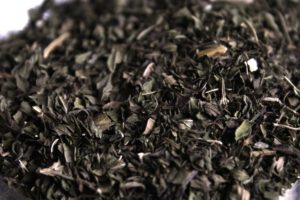
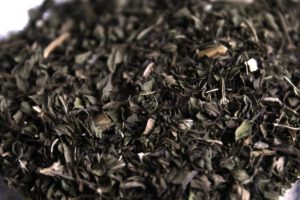 Powerful Peppermint is popular because of the many benefits that it brings to the body. One of the greatest gifts that it can bring to our bodies is its digestive assistance.